
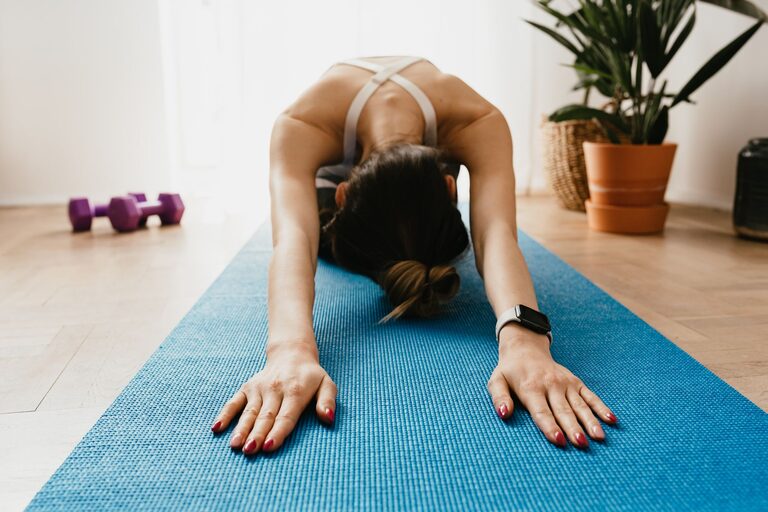
A Beginner’s Guide to Stretching at Home for Better Flexibility
Stretching is an excellent way to improve your flexibility, reduce muscle tension, and enhance your overall mobility. Whether you want to relieve stiffness after sitting all day or prepare your body for physical activity, stretching at home is a convenient and effective option. If you’re new to stretching, this beginner’s guide will help you understand the basics, learn simple stretches, and create a routine that fits your lifestyle.
Why Stretching Matters
Stretching helps lengthen your muscles and tendons, which can improve your range of motion and reduce the risk of injury. Regular stretching also promotes better blood flow, helps ease stress, and can contribute to better posture. Unlike intense workouts, stretching is gentle and accessible for almost everyone, making it a great addition to your daily routine.
Getting Started: What You Need
You don’t need much to begin stretching at home. Here’s what will help:
– Comfortable clothing: Wear clothes that allow you to move freely.
– A quiet space: Find a spot with enough room to stretch your arms and legs.
– A yoga mat or towel: This adds cushioning, especially when stretching on hard floors.
– Water bottle: Stay hydrated before and after stretching.
Basic Stretching Tips for Beginners
Before diving into specific exercises, keep these tips in mind:
– Warm up first: Stretching cold muscles can cause injury. Try 5 minutes of light walking or marching in place.
– Stretch slowly: Avoid bouncing or jerking movements. Move into the stretch gently and hold it.
– Hold each stretch: Aim for about 15-30 seconds per stretch to allow the muscle to relax and lengthen.
– Breathe deeply: Inhale and exhale slowly to help your body release tension.
– Listen to your body: Stretch to the point of mild tension, never pain. If something hurts, stop and adjust.
Simple Stretches to Try at Home
These stretches target common tight areas and are beginner-friendly.
1. Neck Stretch
– Sit or stand with your back straight.
– Slowly tilt your head to the right, bringing your ear toward your shoulder.
– Hold for 20 seconds, feeling a gentle stretch on the left side of your neck.
– Repeat on the opposite side.
2. Shoulder Rolls
– Stand or sit with your arms at your sides.
– Roll your shoulders forward in a circular motion 10 times.
– Reverse the direction and roll your shoulders backward 10 times.
3. Cat-Cow Stretch (Spine Mobility)
– Kneel on all fours, with your wrists under shoulders and knees under hips.
– Inhale and arch your back, lifting your head and tailbone (Cow).
– Exhale and round your spine, tucking your chin and tailbone (Cat).
– Repeat 5-8 times, moving slowly with your breath.
4. Seated Forward Bend
– Sit on the floor with your legs extended straight in front.
– Keep your back straight and slowly bend forward at the hips.
– Reach toward your toes, feeling a stretch in the hamstrings and lower back.
– Hold for 20-30 seconds. Bend knees slightly if needed to avoid strain.
5. Standing Quadriceps Stretch
– Stand near a wall or chair for balance.
– Bend your right knee and bring your heel toward your buttocks.
– Grab your right ankle with your right hand and gently pull.
– Keep knees close together and stand tall.
– Hold for 20-30 seconds, then switch legs.
6. Chest Opener
– Stand tall with feet shoulder-width apart.
– Clasp your hands behind your back and straighten your arms.
– Lift your chest and gently squeeze your shoulder blades together.
– Hold for 20 seconds, breathing deeply.
Creating a Stretching Routine
Consistency is key to seeing benefits. Consider the following to build your routine:
– Set a schedule: Stretch daily or at least 3-4 times a week.
– Time of day: Stretch in the morning to wake up your body or at night to relax.
– Combine with other activities: Stretch after workouts, walking, or even work breaks.
– Start small: Begin with 5-10 minutes and gradually increase as you feel comfortable.
– Keep it enjoyable: Play music or practice mindfulness while stretching.
Additional Benefits of Stretching at Home
Besides physical benefits, stretching at home supports mental wellness. It can be a calming ritual, reduce stress, and improve your mood. Plus, it requires no special equipment or gym membership, making it an accessible self-care habit.
When to Be Cautious
If you have any injuries, chronic pain, or medical conditions, consult a healthcare professional before starting a stretching routine. Always avoid forcing your body into uncomfortable positions.
—
By incorporating these simple stretches into your day, you’ll gradually notice improved flexibility, less muscle tightness, and a greater sense of well-being. Remember, the key is gentle, consistent practice. Happy stretching!
